

What is gluten-free comes down to one thing: avoiding a protein found in wheat, barley, rye, and related grains. A gluten-free diet means eating foods that contain none of those grains or any ingredients derived from them. For people with celiac disease, a wheat allergy, or non-celiac gluten sensitivity, that's not a lifestyle trend. It's a medical necessity.
Table of content
This guide covers what gluten actually is, who needs to avoid it, what you can eat, what to watch for, and how to start without feeling overwhelmed.
What Is Gluten-Free?
Gluten-free means the food contains no gluten or falls below the threshold where it causes harm. In practice, it shapes every grocery run, restaurant order, and label you read.
Gluten Definition
Gluten is a protein found in wheat, barley, and rye. It gives bread its chewy texture and helps baked goods hold their shape. Most bodies process it without issue. For people with certain conditions, it triggers a real physiological response.
Gluten-Free Meaning
"Gluten-free" means the food contains no ingredients derived from gluten-containing grains or has been processed to eliminate gluten to a safe level.
FDA Standard
In the US, foods labeled gluten-free must contain fewer than 20 parts per million of gluten, per FDA regulations. That's not zero gluten. It's the threshold considered safe for most people with celiac disease.
Who Benefits From a Gluten-Free Diet
Not everyone needs to remove gluten. But for specific groups, eating gluten causes real harm. Dr. Alessio Fasano, director of the Center for Celiac Research and Treatment at Massachusetts General Hospital, advises that anyone suspecting gluten sensitivity should first rule out celiac disease.
As he told FoodNavigator-USA, "If you have symptoms which you believe are triggered by gluten and you have ruled out celiac disease and wheat allergy, then you can try a gluten-free diet and see if things improve."
Celiac Disease
People with celiac disease cannot safely eat gluten. Eating gluten triggers an immune response that damages the small intestine, interfering with nutrient absorption and causing abdominal pain, fatigue, and digestive problems.
According to a 2023 Academy of Nutrition and Dietetics guideline, celiac disease has no cure; strict, lifelong adherence to a gluten-free diet is the only effective treatment.
Wheat Allergy
A wheat allergy is an immune response to proteins in wheat specifically. Some people with a wheat allergy can tolerate barley or rye, but the overlap with gluten-containing foods is significant enough to require careful navigation.
Gluten Sensitivity
Non-celiac gluten sensitivity produces symptoms similar to celiac disease without the intestinal damage. The mechanisms aren't fully understood, but removing gluten typically resolves symptoms.
Medical Guidance
Always speak with a healthcare provider before removing gluten for medical reasons. Self-diagnosing and cutting gluten before testing can interfere with an accurate celiac disease diagnosis.
Naturally Gluten-Free Foods to Eat
Many foods are naturally gluten-free. The best foundation is whole, minimally processed ingredients.
Fruits and Vegetables
All fresh fruits and vegetables are naturally gluten-free. Leafy greens, berries, citrus, root vegetables, and cruciferous vegetables all qualify with no caveats.
Meat, Fish, and Eggs
Plain, unprocessed meat, poultry, fish, and eggs contain no gluten. Watch for processed meats, marinades, and pre-seasoned options, which may carry hidden gluten.
Dairy Basics
Plain milk, cheese, yogurt, and low-fat dairy products are naturally gluten-free. Flavored and processed versions may contain added gluten-based thickeners.
Beans, Nuts, Seeds, and Starchy Staples
Plain beans, nuts, and seeds are safe. Rice, corn, and potatoes are reliable gluten-free carbohydrate staples. Avoid pre-seasoned or flavored packaged versions of any of these.
Oils, Herbs, and Spices
Pure oils and single-ingredient herbs are gluten-free. Pre-made seasoning blends can contain wheat starch as a filler, always worth checking.
Gluten-Free Grains and Flours
Cutting wheat doesn't mean cutting all grains. Several alternatives work well across everyday cooking and baking.
- Rice and corn are widely available and reliably safe
- Quinoa and buckwheat are naturally gluten-free and high in protein
- Almond, coconut, and chickpea flours cover most gluten-free baking needs
- Certified gluten-free oats are the only oats safe for people with celiac disease; regular oats are frequently cross-contaminated with wheat during processing
Foods That Usually Contain Gluten

- Bread, pasta, crackers, flour tortillas, and most conventional baked goods
- Most breakfast cereals and granola, which often contain barley malt as a flavoring
- Standard beer and malt-based alcoholic beverages and alcoholic beverages made from naturally gluten-free ingredients like grapes or juniper berries can be labeled gluten-free, while those made from gluten-containing grains cannot
- Processed foods thickened or stabilized with wheat gluten is often used as a thickening agent or stabilizer, which means careful label reading is essential
Hidden Sources of Gluten to Check
This is where many foods catch people off guard. Soy sauce, teriyaki sauce, and many salad dressings contain wheat. Pre-mixed seasoning blends may use wheat starch as a carrier. Canned soups and some broths use flour or yeast extract as thickeners. Even certain supplements and medications contain gluten-based fillers in capsules or coatings.
Restaurant cross-contamination is equally common. Shared fryers and grills can transfer gluten to otherwise safe foods. Always inform your server about gluten-free needs so the kitchen can take precautions.
How to Read Gluten-Free Labels
Not all gluten-free claims on packaging carry the same weight.
Certified Gluten-Free
A third-party certified gluten-free seal means the product has been independently tested and verified below 20 ppm. It's the strongest assurance available.
Shared Equipment Language
"Made on shared equipment with wheat" signals a real cross-contamination risk for people with celiac disease. Treat it as a warning, not a technicality.
Ingredient Red Flags
Scan for: wheat, barley, rye, triticale, malt, brewer's yeast, and wheat-derived modified food starch. Wheat-free does not mean gluten-free; barley and rye contain gluten too.
How to Start Eating Gluten-Free
Start by clearing the major offenders: bread, pasta, flour, most cereals, and condiments made with wheat. Then restock with gluten-free alternatives before you feel the gap.
Build meals around naturally gluten-free whole foods like protein, vegetables, healthy fats, and gluten-free carbohydrates. That structure makes gluten-free eating sustainable without depending on expensive packaged replacements.
For dining out, call ahead or check menus online. Ask specifically about cross-contamination when you arrive. Shared fryers are one of the most common sources of unintentional gluten exposure in restaurant settings.
Gluten-Free Meal, Snack, and Dessert Ideas
- Breakfast: Scrambled eggs with sautéed vegetables, gluten-free oats with berries, or avocado with rice cakes.
- Lunch and dinner: Rice bowls with grilled chicken and roasted vegetables, salmon with quinoa and leafy greens, or lentil soup with no thickening agents.
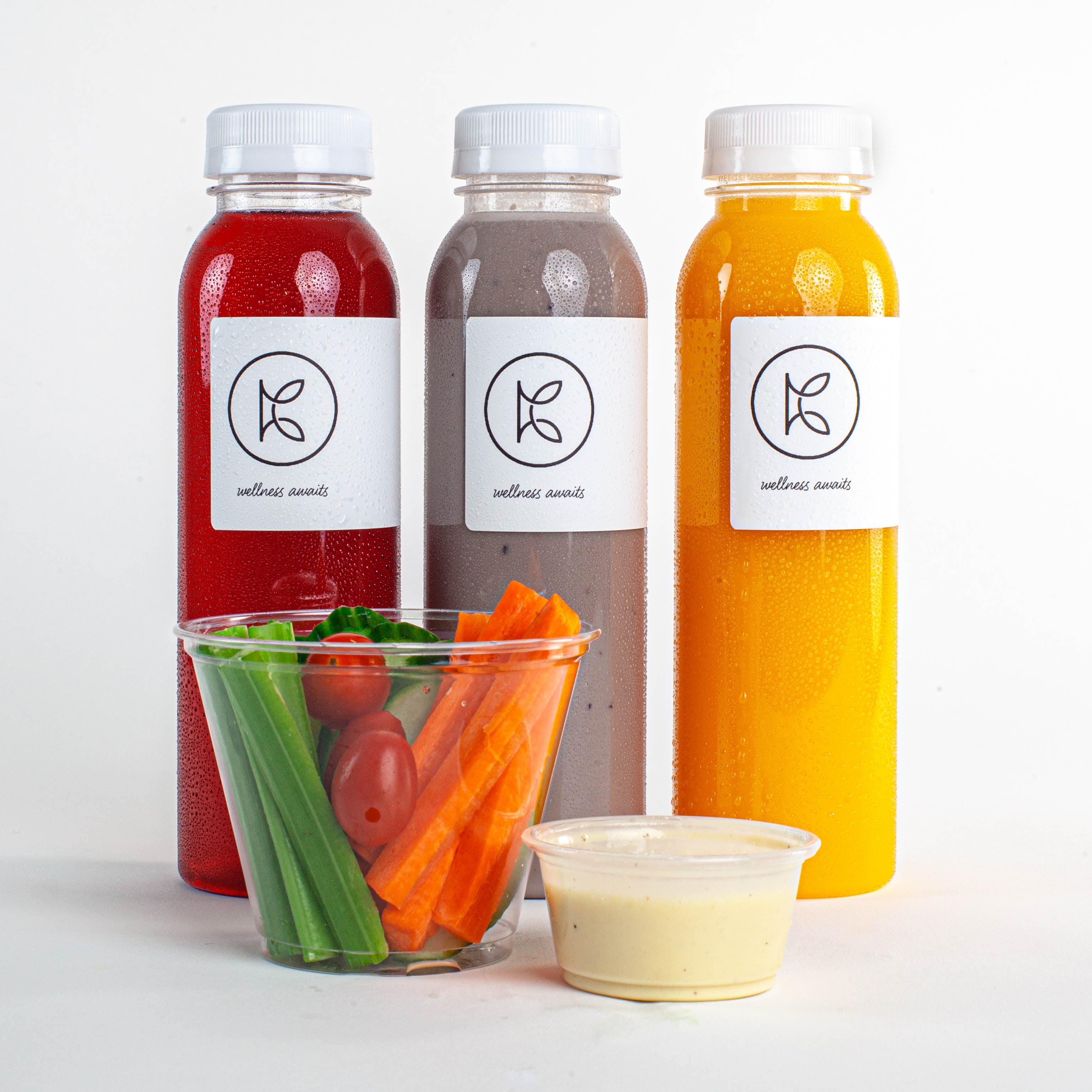
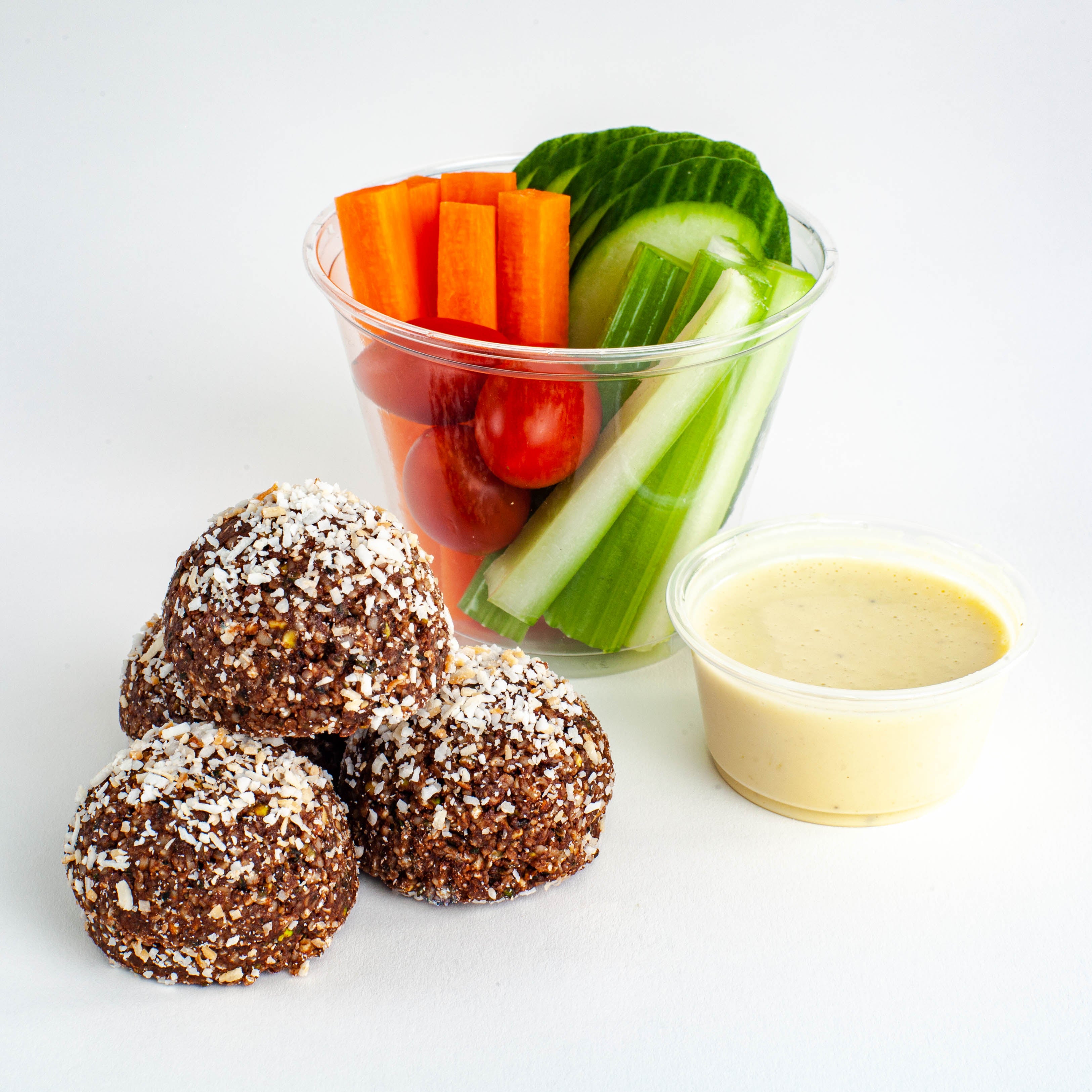
- Snacks: Fresh fruit, raw nuts and seeds, hard-boiled eggs, and rice crackers with hummus are all naturally gluten-free and easy to keep on hand.
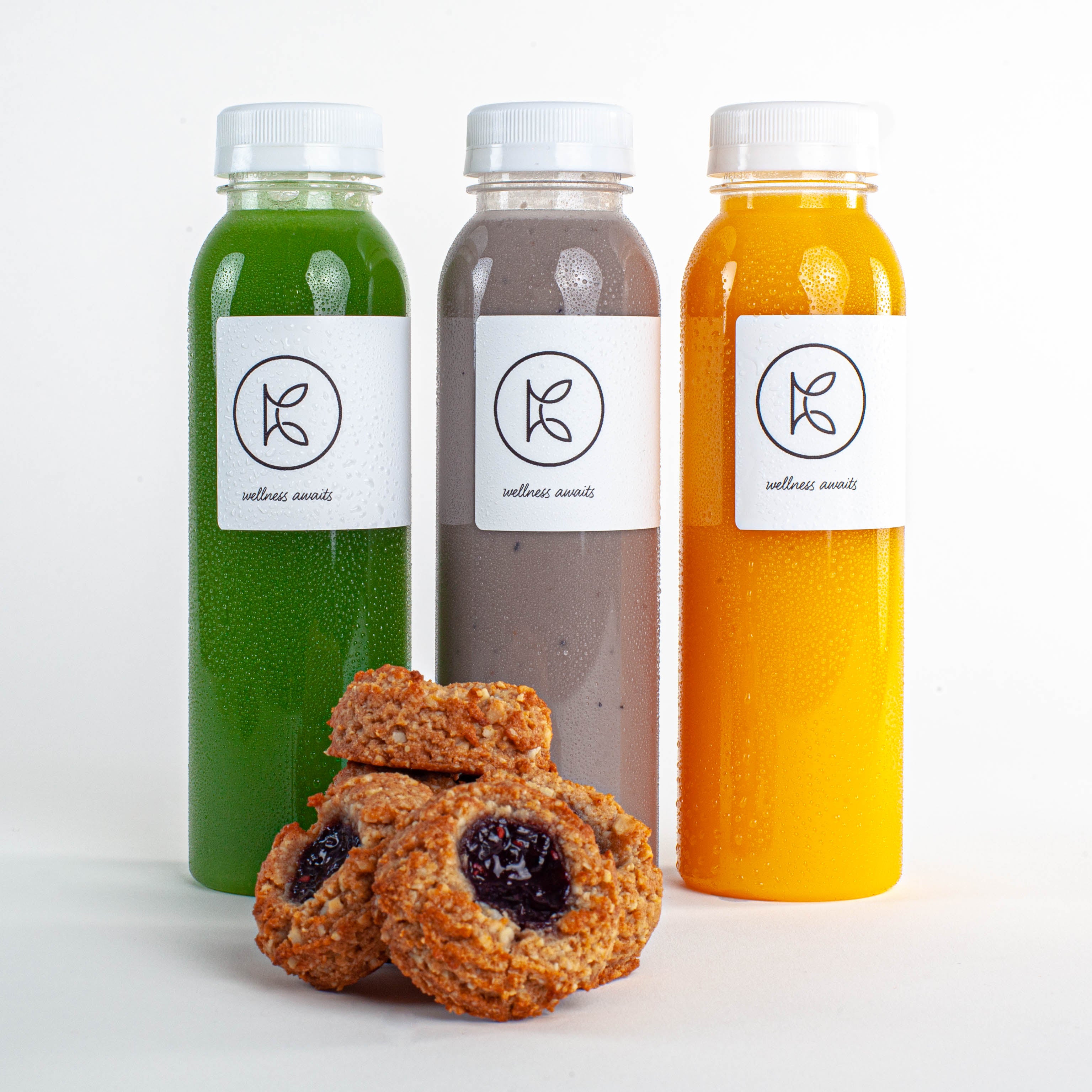
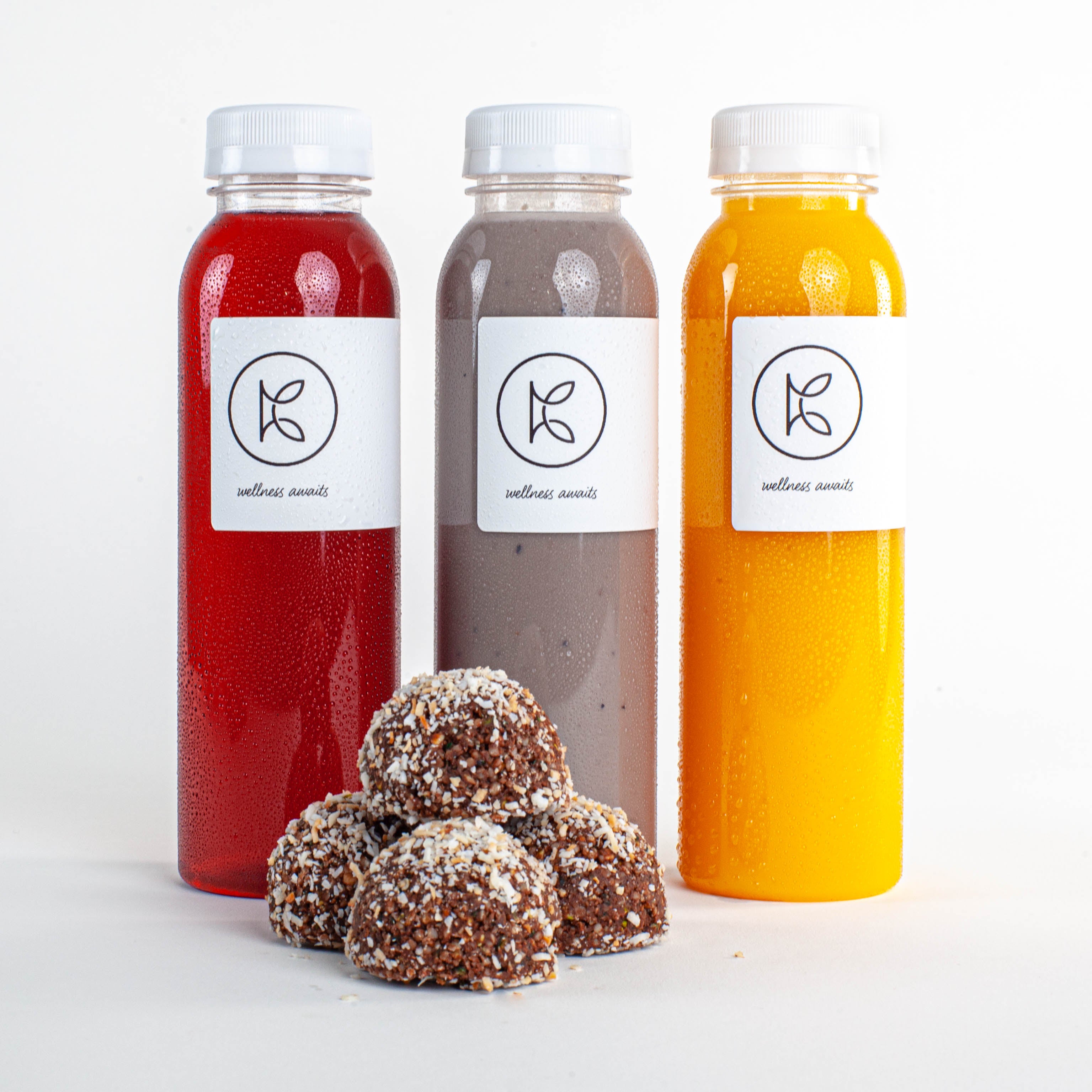
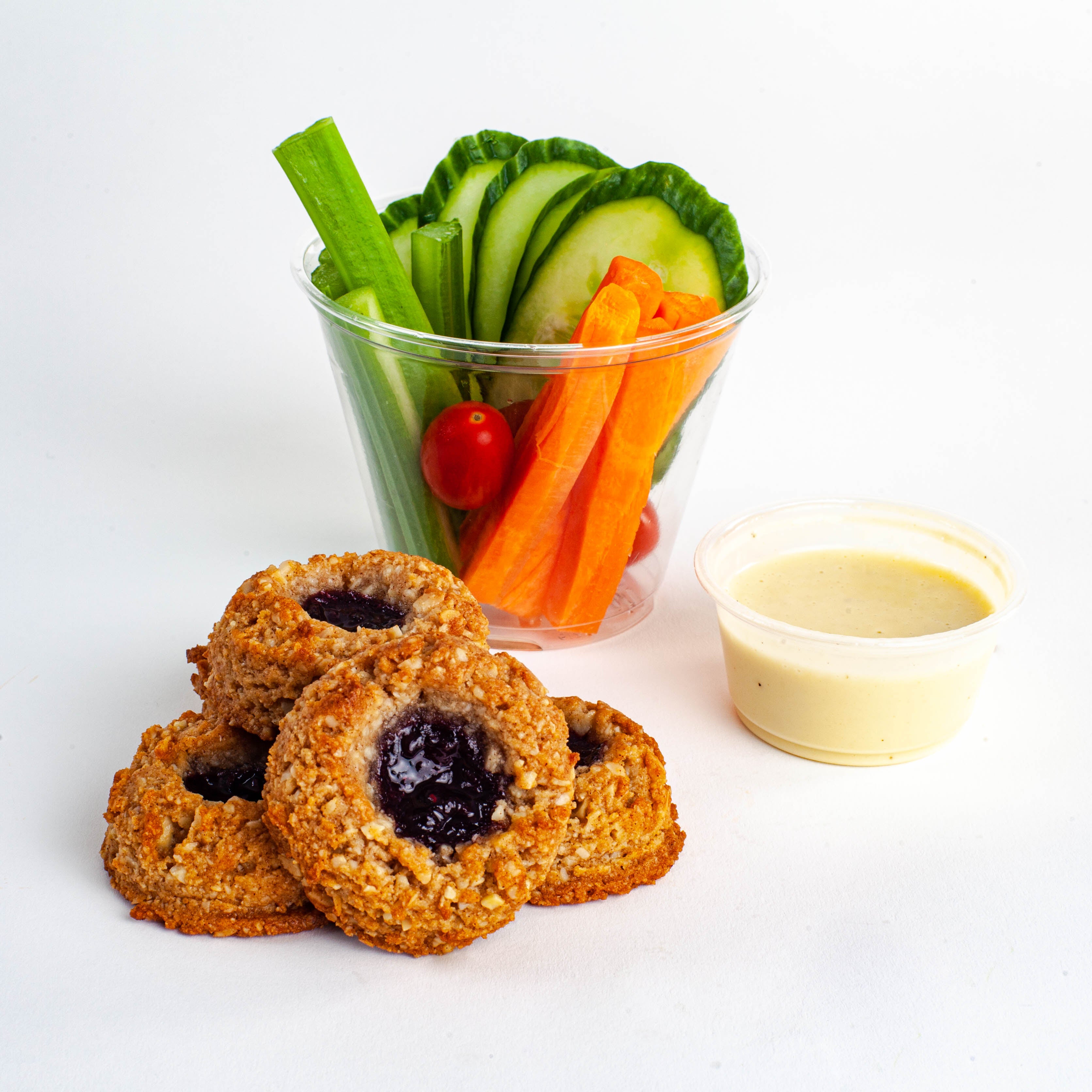
- Desserts: Almond flour cookies, fresh fruit bowls, and coconut milk-based options cover most occasions. Fresh-pressed juices made from whole fruits and vegetables pair cleanly with any gluten-free meal and contain no gluten ingredients.
Benefits and Limits of Gluten-Free Eating
For people with celiac disease or gluten sensitivity, removing gluten resolves symptoms, repairs intestinal damage over time, and restores nutrient absorption. The difference can be significant and fast.
The trade-off is nutrition. Many gluten-free processed foods are lower in important vitamins, iron, and fiber than their whole-grain equivalents because they're made from refined starches. Building meals around naturally gluten-free whole foods is almost always a better approach than swapping one packaged product for another.
One thing worth stating clearly: gluten-free foods aren't automatically healthier. For people without a medical reason to avoid gluten, removing it from an otherwise balanced healthy diet doesn't deliver proven benefits and can introduce new nutritional gaps.
Gluten-Free Mistakes to Avoid
- Skipping labels on familiar products' formulas change, and complacency is one of the most common causes of accidental gluten exposure
- Ignoring cross contamination at home: use separate cutting boards, utensils, and a dedicated toaster if others in the household eat gluten-containing foods
- Overusing packaged gluten-free foods: most are heavily processed and low in important vitamins and fiber
- Assuming oats are safe only certified gluten-free oats meet the FDA standard; this is one of the most common early mistakes people make
How Prepared Meals Can Support a Gluten-Free Lifestyle
For busy people, meal planning is often the biggest barrier to staying gluten-free consistently. Chef-prepared meal delivery built on organic, whole-food ingredients removes the guesswork from label reading entirely.
A well-designed gluten-free meal service rotates proteins, vegetables, and flavors throughout the week, which solves the variety problem that pushes people back toward convenience foods. Those following a lower-carb approach can explore keto meals built on the same clean-ingredient framework.
For a focused short-term reset, a detox meal plan offers a low-carb, no-dairy structure that aligns naturally with gluten-free eating.
When meals arrive ready to heat, the daily decisions that lead to slip-ups disappear.
Frequently Asked Questions About Gluten-Free Foods
Let's check out some questions about gluten-free foods.
Is rice gluten-free?
Yes. Plain rice is naturally gluten-free and safe for people with celiac disease and gluten sensitivity. Always check flavored or packaged rice products; added seasonings may introduce gluten-containing ingredients.
Are potatoes gluten-free?
Yes. Plain potatoes contain no gluten. Processed potato products like certain frozen fries or seasoned chips may contain added gluten through coatings or flavorings, so check labels.
Are oats gluten-free?
Plain oats are naturally gluten-free, but most commercial oats are processed alongside wheat, making cross-contamination common. Only certified gluten-free oats are verified safe for people with celiac disease.
Is gluten-free the same as wheat-free?
No. "Wheat-free" means no wheat, but the product may still contain barley or rye, both of which contain gluten. Always look for foods labeled "gluten-free" rather than relying on "wheat-free" claims alone.
Is fresh-pressed juice gluten-free?
Pure fresh-pressed juice made from whole fruits and vegetables is naturally gluten-free. Pre-bottled juices with added flavors or barley-based ingredients should be checked before consuming.